

Getting to Know Ragdolls
About Ragdoll Cats: Temperament, Size, Coat, and Care
How big they get, what their coat needs, when they calm down, and whether the breed suits your home.
Meet the Ragdoll
Ragdolls are one of the most beloved companion cat breeds in the world — and it’s easy to see why. Striking blue eyes, soft semi-long coats, and a famously affectionate, easygoing nature have made them a favorite for families and first-time cat owners alike.
The breed was developed in California in the 1960s to bring together three things: beauty, a calm temperament, and a strong bond with people.
That last quality is what sets Ragdolls apart. They’re deeply social cats — they follow their people from room to room, lounge nearby while you work, and settle into a lap the moment one opens up.

At Aurora Ragdolls, we’re drawn to the breed for exactly that reason — the companionship. Every kitten we raise is bred to be a companion first: healthy, confident, and easy to live with for a whole lifetime.
What Makes a Ragdoll a Ragdoll
Four things shape the breed’s signature look.
Ragdolls are a large breed with a strong, muscular frame — but a relaxed, gentle way of carrying themselves. Adult males typically weigh 15–20+ pounds and females 10–15 pounds, and they’re slow to reach full size, often filling out over three to four years.
One of the breed’s signatures: vivid blue eyes on the pointed cats, and a striking aqua on the minks.
The Ragdoll coat is semi-long and silky, with little undercoat. That means it’s less prone to matting than many long-haired breeds — a brushing a few times a week is usually all it takes to keep it soft and tangle-free.
Most Ragdolls are pointed cats, meaning the ears, face, legs, and tail carry more color than the body — but the breed also includes mink, sepia, and solid coats. Colors include seal, blue, chocolate, and lilac, in patterns like colorpoint, mitted, and bicolor. There’s a lot of beautiful variety here, and we break it all down in our Colors & Patterns guide.
Personality & Temperament
If you ask a Ragdoll owner to describe their cat in a few words, you’ll hear the same ones again and again: affectionate, easygoing, gentle, social. Ragdolls tend to greet you at the door, want to be part of whatever you’re doing, and often go pleasantly limp when you pick them up — the trait the breed is named for.
Of course, every cat is an individual. To go deeper on what shapes a Ragdoll’s temperament, see Understanding Ragdoll Personalities.

More on the Breed
Two of the questions new families ask us most.
Do Male & Female Ragdolls Differ?
Boys and girls each come with a few gentle tendencies worth knowing before you choose.
Male vs. Female Ragdolls→When Do Ragdolls Calm Down?
Playful kittens mature into the relaxed, mellow adults the breed is known for — generally between one and three years old.
When Do Ragdolls Calm Down→Are Ragdolls Right for Your Home?
Ragdolls tend to thrive in:
- Families with children, where their patient, gentle nature shines
- Homes with other friendly pets
- Households where someone is home often — they love company and don’t like being ignored
- Any home looking for an affectionate, people-oriented indoor companion
Because of their trusting nature and limited street sense, Ragdolls are happiest and safest as indoor cats.

A Word on Care
Ragdolls are relatively low-maintenance, but they do best with a little routine.
A brushing a few times a week keeps the coat soft and mat-free.
High-quality food to support healthy growth and coat.
Regular vet care and preventative wellness.
Daily interaction, play, and companionship — Ragdolls need people.
Nutrition for Healthy Growth
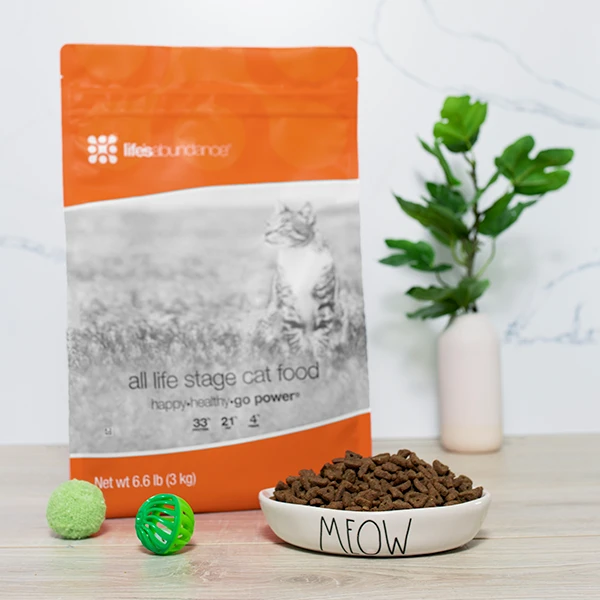
Diet plays a big role in a Ragdoll’s development, coat, and long-term health. At Aurora, we feed our cats and kittens Life’s Abundance premium food, and we recommend families continue with it after go-home to keep the transition smooth and the tummy settled. You’ll find it and everything else we use on Aurora Favorites.
The Cats Behind Our Kittens
Every Aurora kitten begins with parents chosen for health, temperament, and that unmistakable Ragdoll gentleness — and loved as part of our family first. You can read more about how we choose and care for them on The Cats Behind Every Litter.

Ready to Welcome One Home?
When you bring home an Aurora Ragdoll, you’re joining the Aurora family — and we’re with you every step of the way.
See Available KittensMore From the Library